Creating pathways out of homelessness through social enterprise

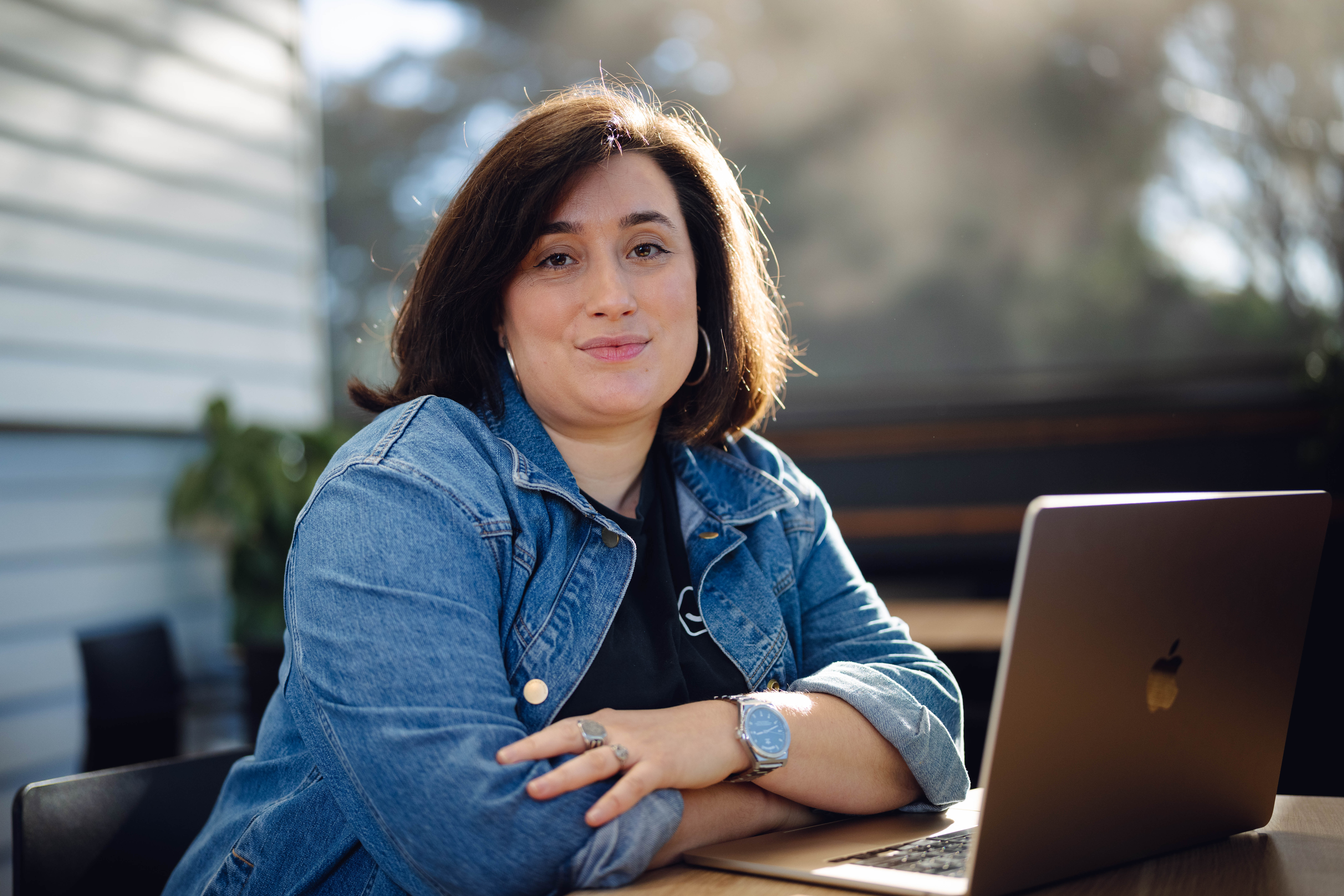
As CEO of For Change Co., a Melbourne-based social enterprise, Miranda Campbell leads an organisation dedicated to creating pathways out of homelessness for young people.
“For Change Co. is a social enterprise and registered charity that exists to create pathways out of homelessness for young people. We do that by providing paid training and employment at our cafés across Melbourne, and we have a catering business and food truck that redistributes profit back to our impact well,” she explains.
“We work with young people who are skilled and resilient and just need a bit of support in getting their first job, enabling them to break the cycle of homelessness for good.”
Since launching its evidence-based program in 2018, For Change Co. has supported 151 young people, paid nearly $600,000 dollars in award wages, and continues to expand its reach.
“Our waitlist has increased by 75 percent as young people continue to bear the burden of Australia’s growing inequality crisis. More urgently than ever, we need to create spaces in our program and work with our impact partners to transition people into sustainable employment and safe, secure, independent housing.”
Tackling the inequality crisis head-on
For Miranda, youth homelessness isn’t just a social issue, it’s a moral one.
“It’s unfathomable that in a wealthy country like ours, we accept youth homelessness as normal. It’s a moral failing that we don’t feel the imperative to change that,” she says.
Her passion is grounded in a strong sense of justice and a determination to be part of the solution. Miranda believes lasting change requires collaboration between charities, government and business to tackle the interconnected issues driving homelessness, such as mental health, education, family and domestic violence, and economic disadvantage.
A purpose-led career built on education and experience
Before joining For Change Co., Miranda built a successful career in hospitality, co-founding a restaurant group that expanded nationally. But after years of rapid growth and burnout, she felt drawn back to work with greater purpose.
That’s when she decided to study with the Centre for Social Impact at Swinburne University.
“I’d heard about Swinburne’s philanthropy and social impact programs years earlier and always knew I’d come back to study,” she explains.
Why study social impact at CSI Swinburne?
Miranda completed a Masters in Social Impact, describing it as an experience that combined academic rigour with real-world insight.
“The networks and the teaching staff were invaluable,” she says.
“It’s a really small sector and the more you stay in it, the more integrated you realise it is because everyone’s here for the same reason. That’s really vital in being able to be successful and informed.”
Turning learning into action
Running a social enterprise brings constant challenges - from balancing commercial operations with social outcomes to securing ongoing funding.
“We’re a social enterprise, so we have revenue from trade through our cafés, but we have impact costs,” she explains. “We don’t operate as traditional cafés because we provide additional support for young people experiencing or at risk of homelessness. Our program is relatively long, about six to nine months, and participants are fully remunerated for all their time with us.”
“That can be really challenging because there’s a perception that as a social enterprise, because you have commercial revenue, you’ll be able to be fully sustainable. That’s a perception that needs to shift in philanthropy, in government grant-making and in wider community giving.”
Reducing stigma is equally central to her work.
“Another challenge is countering negative stereotypes and stigma around youth homelessness,” she says.
“The young people we work with are in these positions by no fault of their own. It’s really important that we’re changing the narrative around the complex issue and the interlocking cycles of disadvantage.”
A community of changemakers
Most of Miranda’s studies took place during Melbourne’s COVID-19 lockdowns, making graduation day especially meaningful.
“The bulk of my studies were done during lockdown. Just hours and hours of tapping away in isolation, dreaming of the world on the other side,” she says. “So it did feel really momentous, not only for me but for Melbourne and the world, to be in a hall with hundreds of other people all celebrating these milestones.”
“Many people had overcome huge barriers to be able to study and complete their degrees. It was incredibly challenging balancing work, lockdowns and caring responsibilities, so it was a huge relief, and of course a celebration, to finally walk across the stage.”
Her message for anyone thinking about studying social impact is clear.
“I would say yes, get involved. The time is now. We’re in a polycrisis and we need as many committed hands on the arc of history to bend it towards justice,” she says. “These serious challenges need serious and committed people who can be creative with solutions and passionate in their response.”
“There’s so much community in the social impact space, and I’ve certainly found my tribe. It gives me the strength and resilience to keep going when it’s tough. For people wanting to find their purpose, if they want their job to be more than just a paycheck, it’s absolutely the place to start.”