Why Unlocking Women’s Philanthropic Power in Australia is Important

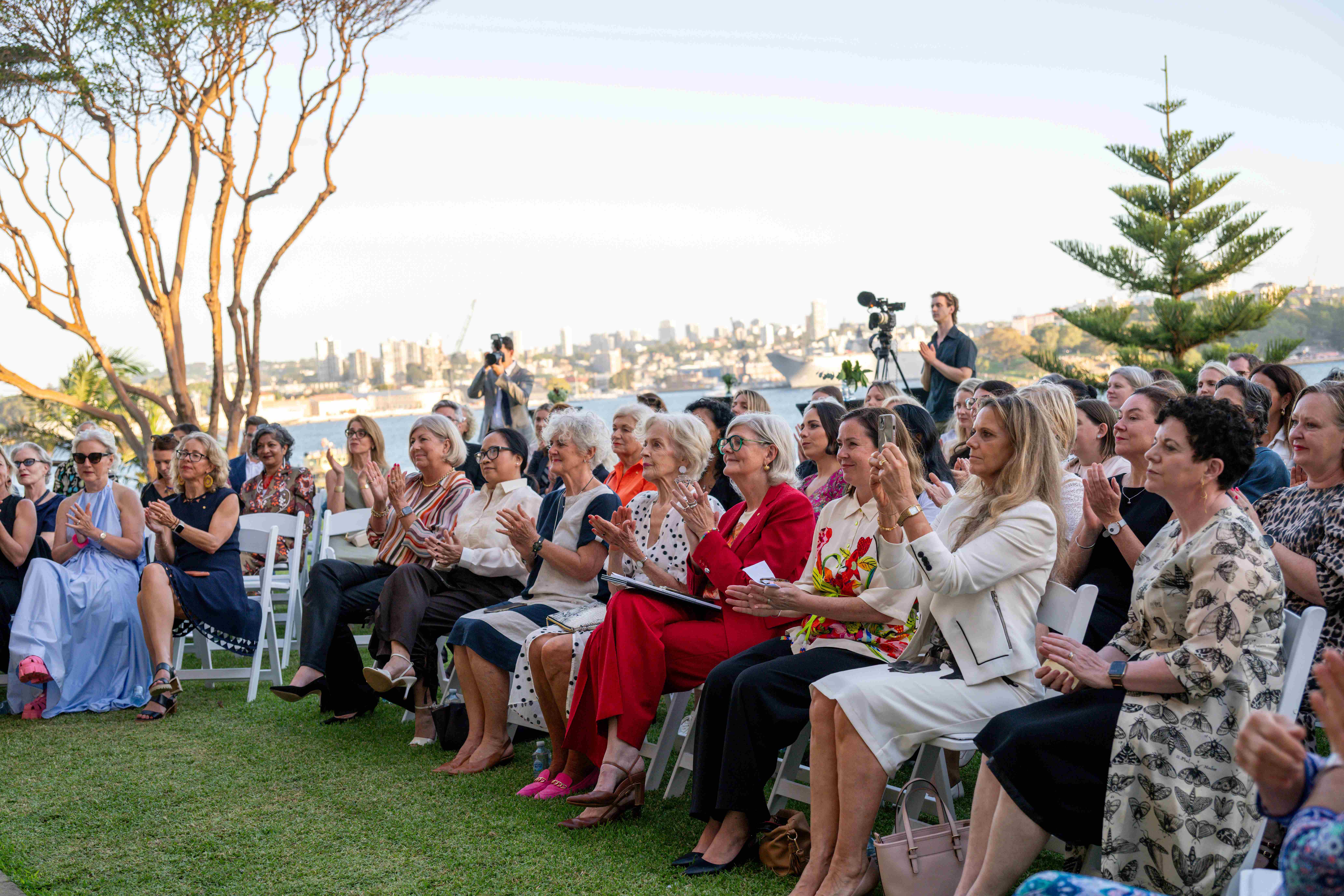
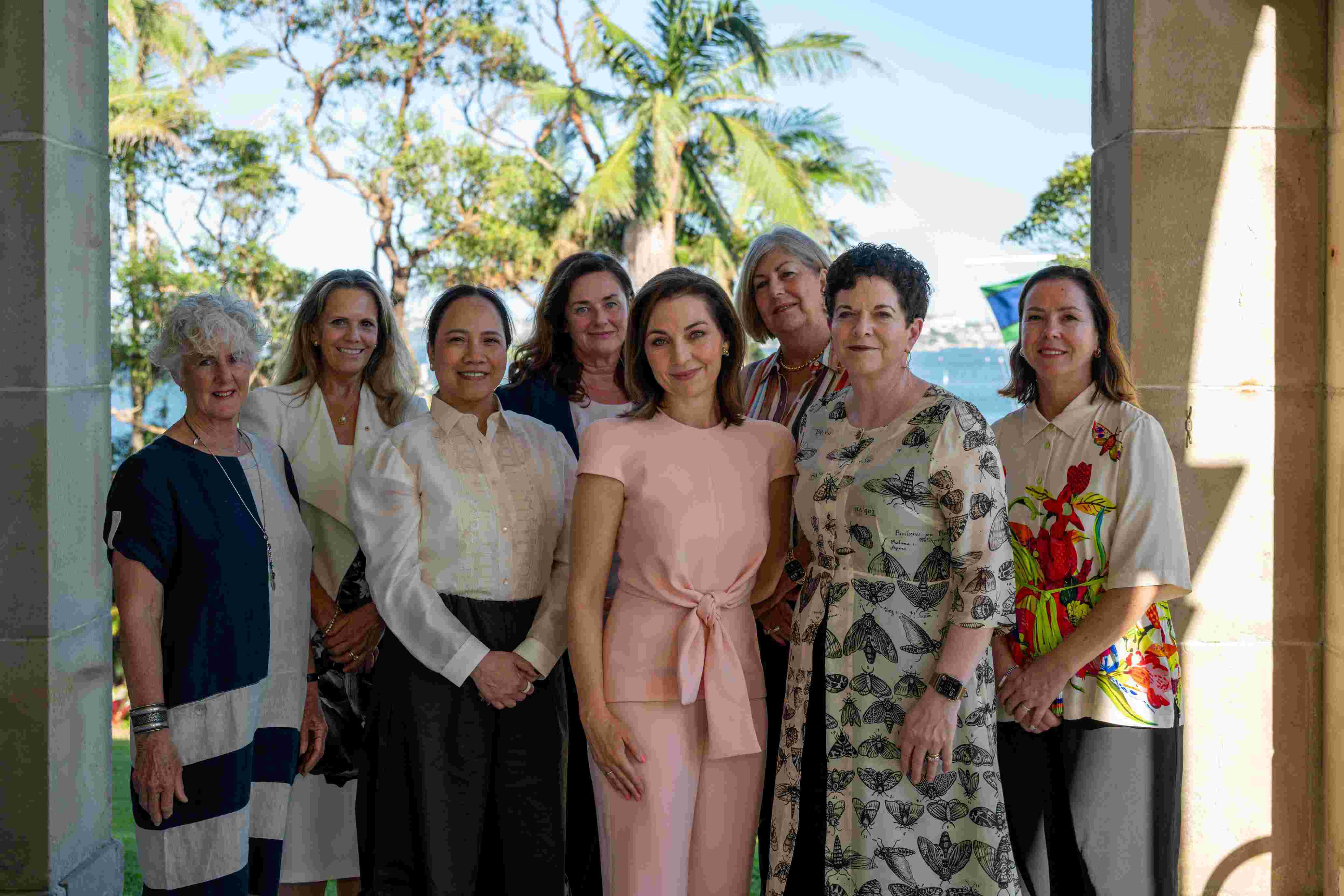
Following the launch of She Gives: Growing Women’s Giving in Australia , Professor Leanne Lester who was on the research project team shares what was found as part of this unprecedent study and more importantly, why this research matters for the philanthropy sector, and for women.
Thi study conducted by She Gives in partnership with the Centre for Social Impact at The University of Western Australia - is the largest mixed-methods study of women’s giving in Australian history and the second-largest study of giving overall in this country. But scale alone is not its significance.
Addressing a structural blind spot in Australian philanthropy
For decades, national datasets have aggregated giving behaviours in ways that render gender largely invisible. Women have always been central to giving - influencing household decisions, extensive volunteering, shaping community responses - yet their participation has not been examined with the depth or intentionality it deserves.
This research changes that. Drawing on insights from more than 2,000 women across surveys, roundtables and in-depth stories, we now have the first robust, gender-informed baseline of women’s giving in Australia. We can see clearly how women give, why they give, what barriers they face, and - critically - what their ambitions are.
And one finding stands out: the majority of women told us they want to give more.
For a sector focused on growing philanthropy - particularly in the context of a $5.4 trillion intergenerational wealth transfer and a national goal to double giving by 2030 - that is not a marginal insight.
It is strategic intelligence
Academically, the study expands the conceptual frame of philanthropy. Women described giving as a constellation of practices: money, time, expertise, care, influence and collective action. Many did not see themselves as “philanthropists”, despite having significant impact. That tells us something important - our definitions, and perhaps our systems, may be narrower than the reality of generosity on the ground.
Sectorally, the implications are clear. Women consistently told us they seek collaboration, confidence, visibility and values alignment. They are drawn to collective models. They want transparency, long-term impact and systems that reflect the diversity of women in Australia. They also described structural barriers - from financial insecurity to cultural norms that discourage visibility.
If we want to grow giving, we must respond to this evidence - not rhetorically, but structurally.
This is not about creating a parallel track for women. It is about recognising that women are already shaping Australia’s philanthropic future - and ensuring our institutions are designed to support that leadership at scale.
As researchers, our role is to surface truth. As sector leaders, the opportunity - and responsibility - is to act on it.