

What seven trips to Antarctica taught me about conservation and philanthropy

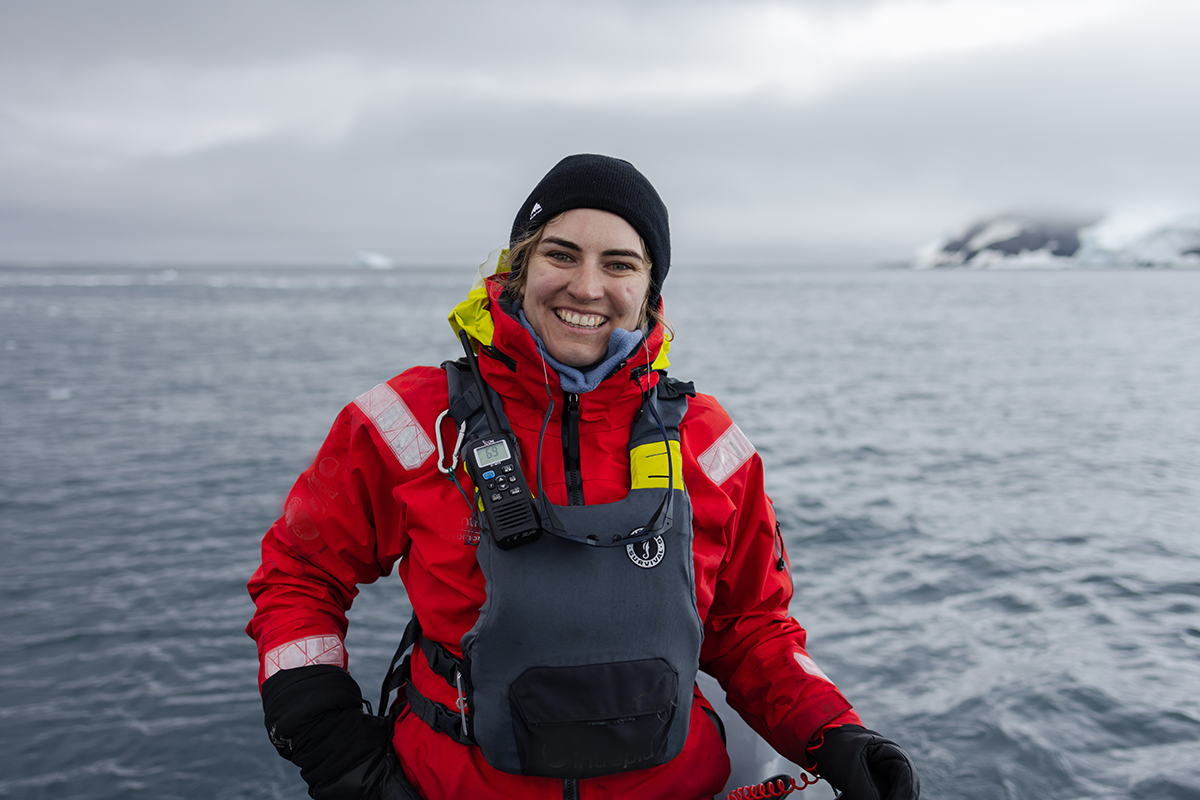
For zoologist and major gifts manager Elly Gearing, protecting endangered wildlife means thinking 99 years ahead. So how do you convince philanthropists to look beyond the short-term funding cycle?
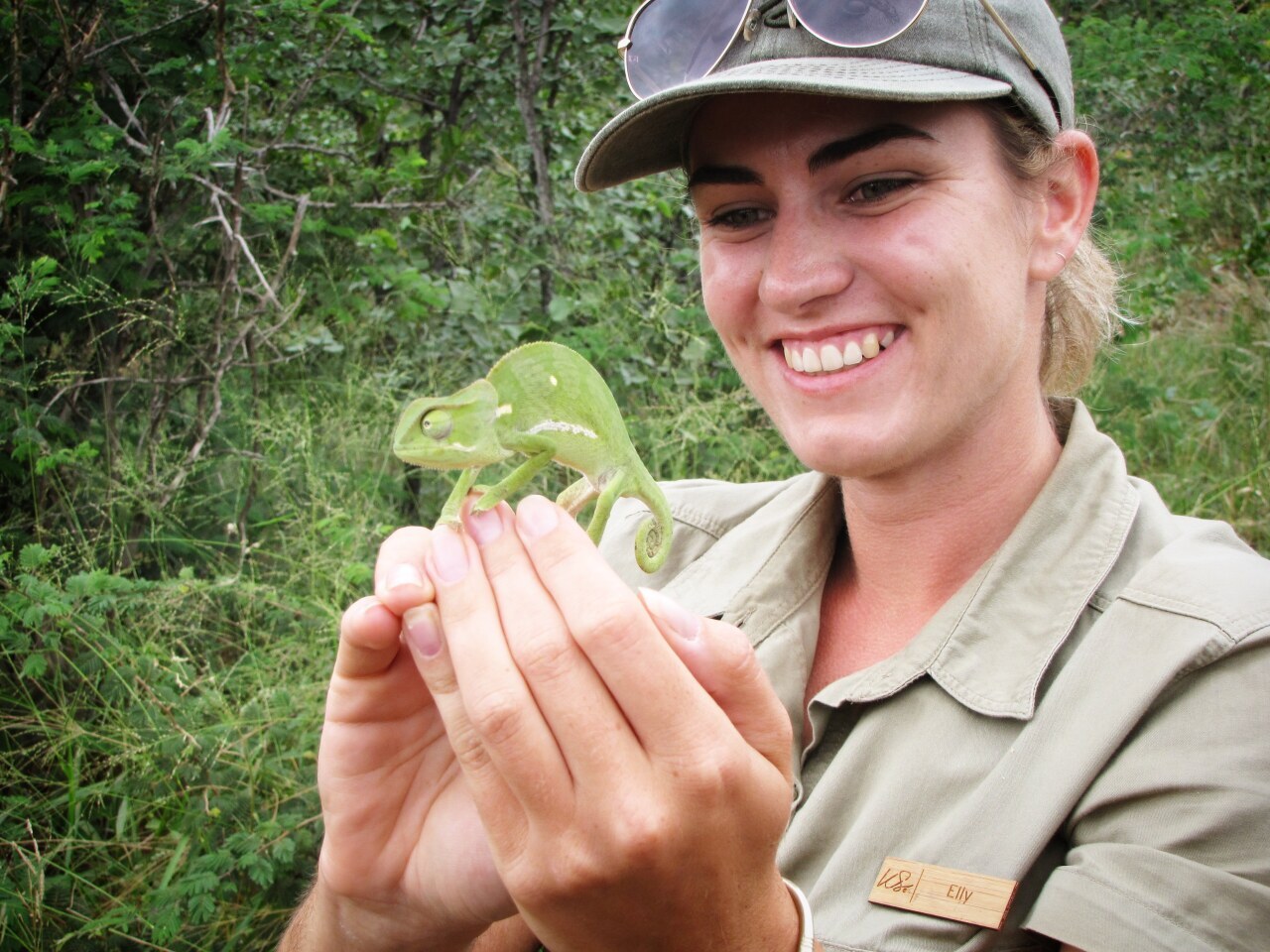
Not many people can say they've been to Antarctica seven times. Elly Gearing can.
Over two years, she guided seven expeditions from the southern tip of Argentina across to the Antarctic Peninsula, experiencing one of the world's most extraordinary and fragile environments firsthand.
"It was one of those once-in-a-lifetime opportunities that I couldn't say no to. It was truly awe-inspiring."
But the experience also brought her face to face with some uncomfortable realities. As Antarctic tourism continued to boom, and more ships began heading south each year, Elly became increasingly concerned about the pressures being placed on one of the planet's last great wildernesses.
"I became morally conflicted with the Antarctic tourism industry, considering how pristine it is and how impossibly important it is that we protect it for the entire world’s climate. It's just getting busier and busier, and it's becoming a bit of a wealthy person's Disneyland. I’m just not convinced that what guests are learning down there is translating into meaningful behaviour change back home."
Those concerns ultimately led Elly to step away from Antarctic tourism.
But Antarctica is just one chapter in her remarkable career.
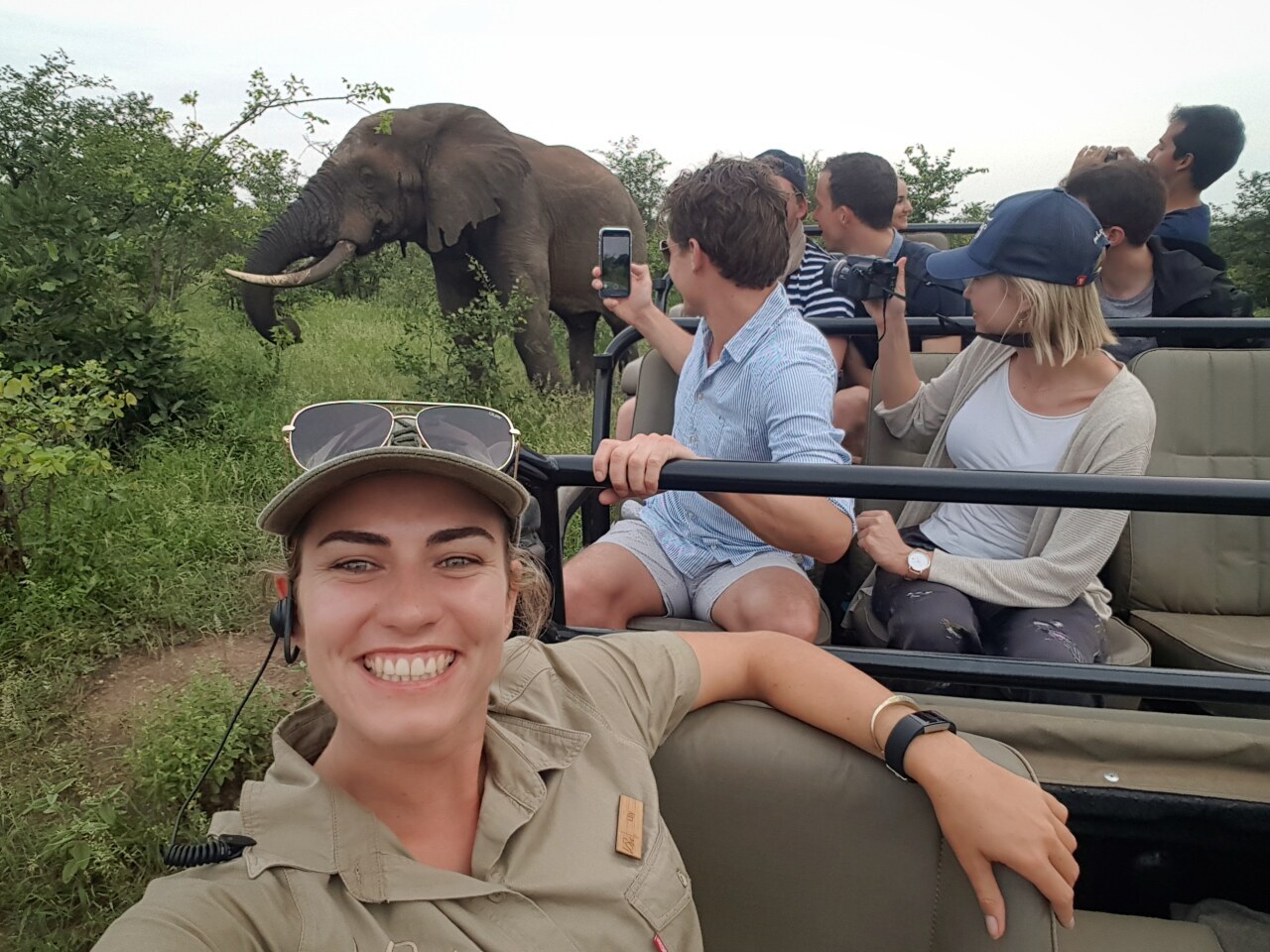
A zoologist by trade, she has conducted scientific research in Namibia, guided safaris in South Africa and travelled to some of Australia's most remote landscapes.
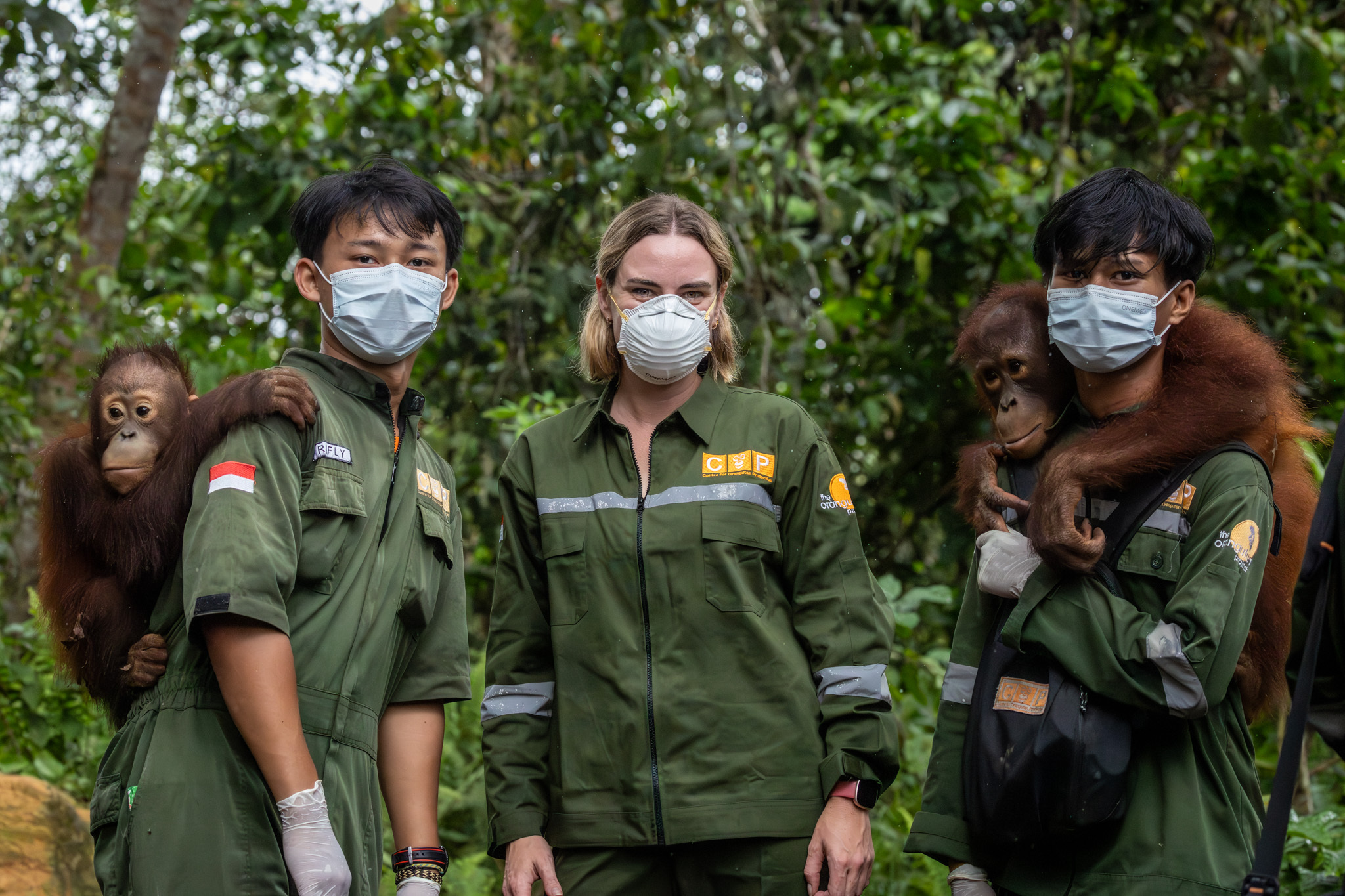
More recently, her work has taken her to the rainforests of Southeast Asia. In 2026, she visited Borneo twice, spending time at an orangutan sanctuary and learning about some of the conservation challenges facing the region.
Today, Elly manages the mid-value and major donor philanthropy programs at Wildlife Conservation International (WCI), charitable home of The Orangutan Project.
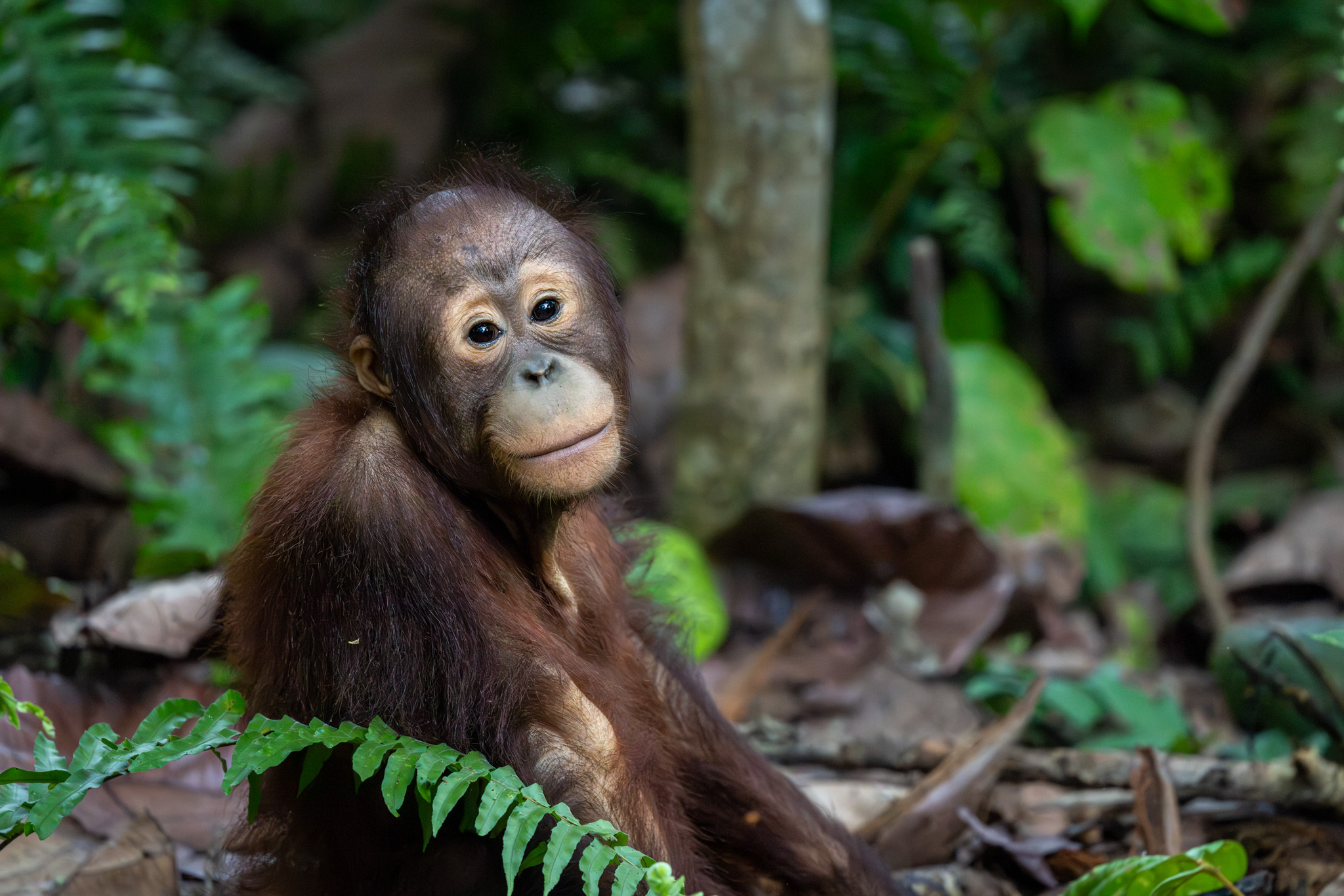
The organisation works to protect some of the world's most threatened rainforest ecosystems, including habitat supporting the critically endangered Tapanuli orangutan in Sumatra, Indonesia. With an estimated 700 individuals remaining, the species is teetering on the brink of extinction, and faces serious threats from habitat destruction, including logging, farming and hydroelectric development.
“I think once you've seen firsthand what's at stake, it profoundly changes how you see your own contribution.
For Elly, protecting these extraordinary places and species requires more than passion and good intentions. It takes sustained funding, strong relationships and a fundamentally different way of thinking about philanthropy.
And that's where The Giving Academy's Effective Giving short course, delivered by the Centre for Social Impact, has helped shape her next chapter.
What does it take to fund conservation for 99 years?
One of the greatest challenges facing conservation organisations is the disconnect between how conservation works and how it is funded.
Protecting ecosystems is a long-term commitment, yet philanthropic funding is often structured around individual projects and annual grant cycles.
"Effective conservation works on ecological timescales, which can be decades or even centuries, not 12-month grant cycles," Elly explains.
"When we commit to protecting a patch of rainforest, we're not doing it for 12 months. We're doing it for up to 99 years, and we need to be able to fund that protection for this entire time."
Yet historically, much of the organisation's fundraising capacity is spent repeatedly seeking donations.
"So much of our energy goes into re-justifying our case for support each year rather than getting on with the work."
Elly recognised an opportunity to change that dynamic, shifting focus towards deeper, longer-term relationships with supporters.
But she wanted a stronger understanding of how funders themselves think about their giving.
Seeing philanthropy through a funder's eyes
When Elly was awarded a scholarship for The Giving Academy's Effective Giving short course, she wasn't looking for an introduction to fundraising.
She wanted to better understand the people on the other side of the philanthropic relationship and how they choose to create change.
"For me, it was really about getting inside the mind of a funder. I wanted to understand how philanthropists, particularly family foundations, are connecting with causes, making decisions about where to direct their support, and thinking about what meaningful impact looks like from their side of the relationship."
The Effective Giving course brings together people from across the philanthropic ecosystem, including funders, grantseekers and advisors, to explore how stronger partnerships and more thoughtful giving practices can create greater social impact.
For Elly, it provided both a broader perspective on philanthropy and practical frameworks she could apply immediately.
From learning to action: A new multi-year giving program
Perhaps the most significant outcome of the course has been Elly's work to develop a new approach to major donor giving at WCI.
For some time, she had been considering a dedicated multi-year pledge program that would encourage supporters to make longer-term commitments to conservation.
The idea had potential, but she hadn't yet found the right framework to bring it to life.
"I'd had an idea sitting in the back of my mind about launching a dedicated multi-year pledge program for our major supporters, but I hadn't been able to shape it into something I could pitch confidently to our leadership."
"The course gave me that framework, and I came out of it with enough clarity to start drafting the program and make the internal case for why this is the right direction for Wildlife Conservation International."
The organisation has recently launched the program to a group of long-term supporters, representing a shift towards trust-based philanthropy and stronger, more enduring donor relationships.
It's also changing how Elly and WCI communicate with major givers.
"We want to start moving away from project-specific asks and more towards invitations into a longer-term shared mission."
Another powerful insight from the course came from examining the funding burden: the time, effort and resources that charities invest in applying for, securing and reporting on funding.
"Re-pitching our work every year to supporters who already believe in what we do isn't just tiring, it's draining resources that should be going directly into conservation."
For Elly, multi-year funding isn't simply about securing larger commitments. It's about reducing administrative demands, building mutual trust and ensuring more resources reach conservation efforts on the ground, including vital work to protect endangered orangutans.
Building stronger philanthropic partnerships for lasting impact
While the benefits of multi-year giving may be clear for charities, Elly believes the shift also offers something valuable to philanthropists.
It invites supporters to become genuine partners in a shared mission, rather than simply funding a series of annual project pitches.
And for organisations operating in remote environments, where conservation outcomes can take decades to achieve, that stability can make an enormous difference.
"If we can shift even a portion of our major supporter relationships toward multi-year, trust-based commitments, it frees up significant energy that currently goes into fundraising mechanics and redirects it toward the actual work."
"For an organisation like ours, operating in remote ecosystems with complex, long-horizon conservation goals, that kind of funding stability is genuinely transformative. It means we can plan with confidence, stay focused on our core mission, and deliver conservation outcomes at a scale that simply isn’t possible otherwise."
Ultimately, it's about enabling the people working on the ground to plan with greater certainty, knowing they have the resources and partnerships to support their work over time.
"That's the tangible link between better philanthropy practice and better conservation outcomes."
The value of learning through The Giving Academy
Looking back, Elly says the Effective Giving course didn't completely change her understanding of philanthropy. Instead, it sharpened her thinking, challenged assumptions and gave her practical tools to turn ideas into action.
Learning alongside people from different parts of the philanthropic sector was another highlight.
"It was such a blessing to meet the other participants, build connections and to hear their points of view," she recalls.
For a small conservation charity, accessing professional development opportunities isn't always straightforward, making the scholarship particularly valuable.
"The scholarship opened up an opportunity for me that I wouldn't have otherwise had to participate in something like this."
And her advice for others considering The Giving Academy?
"I came in with philanthropy experience and strong instincts, but the course gave me a structure for things I had mostly been feeling my way through."
"For anyone working in a small organisation where there isn't a lot of time or money for professional development, having a course that's this applied and this immediately relevant to real decisions is genuinely so useful."
For Elly, the value of more effective philanthropy is ultimately measured far beyond the fundraising office. It's found in the forests, wildlife and communities that benefit when conservation organisations have the resources and confidence to plan for the long-term.
Explore The Giving Academy
Developed by the Centre for Social Impact, The Giving Academy's Effective Giving short course equips funders, grantseekers and philanthropic advisers with the knowledge, skills and connections to build stronger partnerships and achieve greater impact through giving.
Explore upcoming courses and scholarship opportunities to discover how The Giving Academy can help you put effective philanthropy into practice.