

Start Where You Are: Aden’s Blueprint for Incremental Radical Change

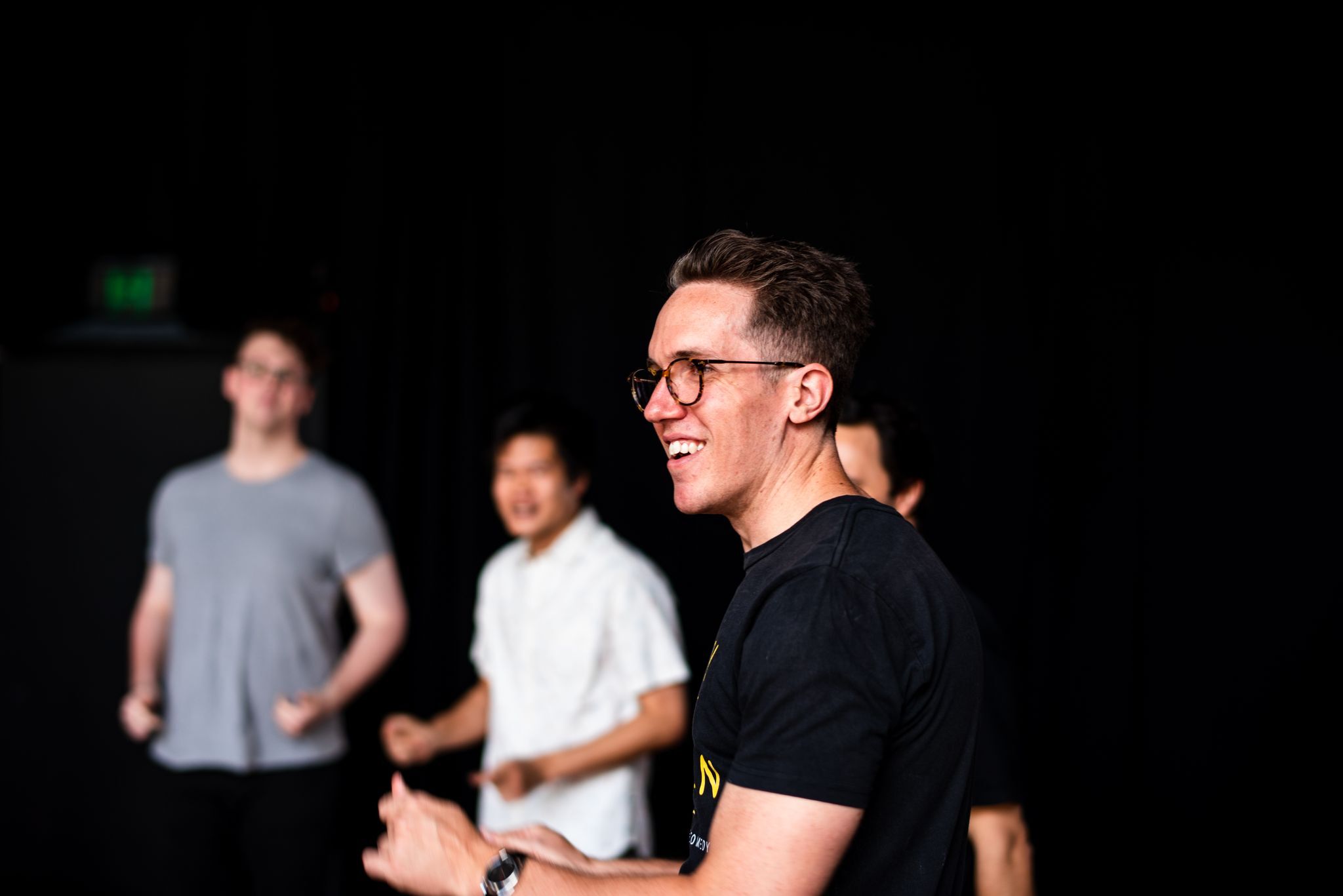
A proud alumnus of the Graduate Certificate in Social Impact at UWA , Aden Date designs unboring team and personal development experiences that bring humanity, connection, and complexity back into how we grow people—especially in the fast-changing, purpose-driven sector.
Drawing on improvised theatre and cognitive science, Aden helps leaders build “Negative Capability,” a term coined to describe the ability to sit with uncertainty and mystery without rushing to resolve it. This experiential approach reshapes how organisations think about strategy, purpose, and execution. Aden brings a systems-aware lens to leadership development, combining academic insight with lived practice.
Through a Robin Hood-style model, Aden’s corporate work cross-subsidises public offerings via his social enterprise, Only the Human . With no fixed job title but a clear mission, Aden leads a small team committed to making development more human, more adaptive, and far less boring.
Why did you decide to study social impact?
I moved into a professional role where I was trying to effect some pretty significant institutional change. I wanted to study social impact because I was actually working for the University of Western Australia at the time, and I was both trying to seek transcript recognition for volunteer activities and to put together a grant proposal to the McCusker Foundation for a $5 million donation to establish a centre for service learning.
The focus of both was really connected to the work that I'm doing today, which is making learning about actually experiencing things rather than just hearing them in theory. I saw a seed of that in the way that the Graduate Certificate in Social Impact was being taught. It was bringing in actual industry experts, people with lived experience, and working on really practical case studies with others. Practical is not the sexiest compliment in the world, but I think in the world of change-making, it's something that we all need a little bit more of.
The postgraduate course seemed to ask the question: What's possible right now where we are with the resources we have? What change can we make today without permission, without political will, without a revolution? As someone who, like many of us working in organisations and institutions, wants to affect radical change, I could see that the Graduate Certificate in Social Impact outlined the steps I could take today to realise that change.
What was your favourite unit and why?
Many graduates would share that Renu Burr's leadership unit was their favourite. It was wildly different from anything I'd ever done in a university degree before—much more reflective, experiential, and weird. It was a class where there were tears and breakthroughs, and I still look at my course materials every so often.
That said, I'm going to buck the trend a little bit and say that I think the unit that had the most enduring impact on me was probably the Measuring Social Value one. It presents as a bit of a drier unit. You're looking at all these busy frameworks for assessing and managing outcomes. But at its core, it poses a really interesting question: How do we account for and measure the things that are intangible, the things that make life worth living?
It was a fabulous opportunity to explore what's true, what's good, and the boundaries between what we can and can't know. To this day, I still love exploring and developing different frameworks that help us unpack, articulate, and communicate different forms of value.
How have you put your learning into practice?
I'd probably categorise the practical learnings and the way that I've put learning into practice into both direct and indirect changes. Pretty soon after, in fact, while I was studying the graduate certificate in social impact, an opportunity emerged to put together a proposal for the McCusker Foundation to fund a centre for service learning, which became the McCusker Centre for Citizenship at UWA. I was actually studying the philanthropy unit at the time, which helped me articulate and put forward a proposal to the McCusker Foundation, which was accepted. Helping to secure $5 million for something I care about was a pretty cool immediate learning that I put into practice.
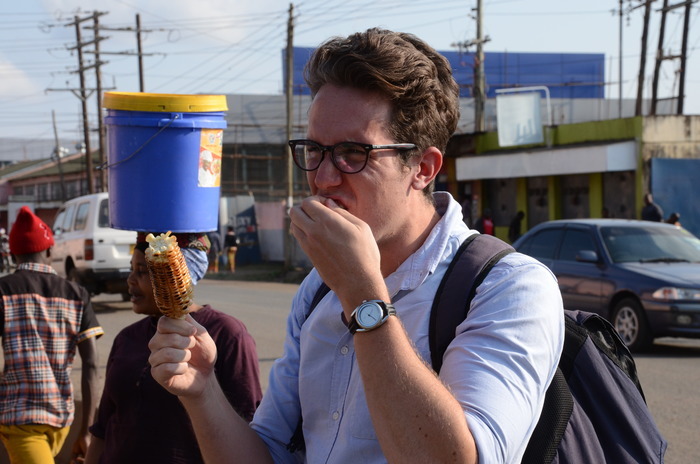
I then went to work on projects mentioned in the unit, including working with the Department of Foreign Affairs and Trade in Tanzania to establish a women's menstrual hygiene social enterprise. I spent a couple of years serving on the board of the Social Impact Measurement Network Australia and working as a freelance evaluator in the arts and cultural sector.
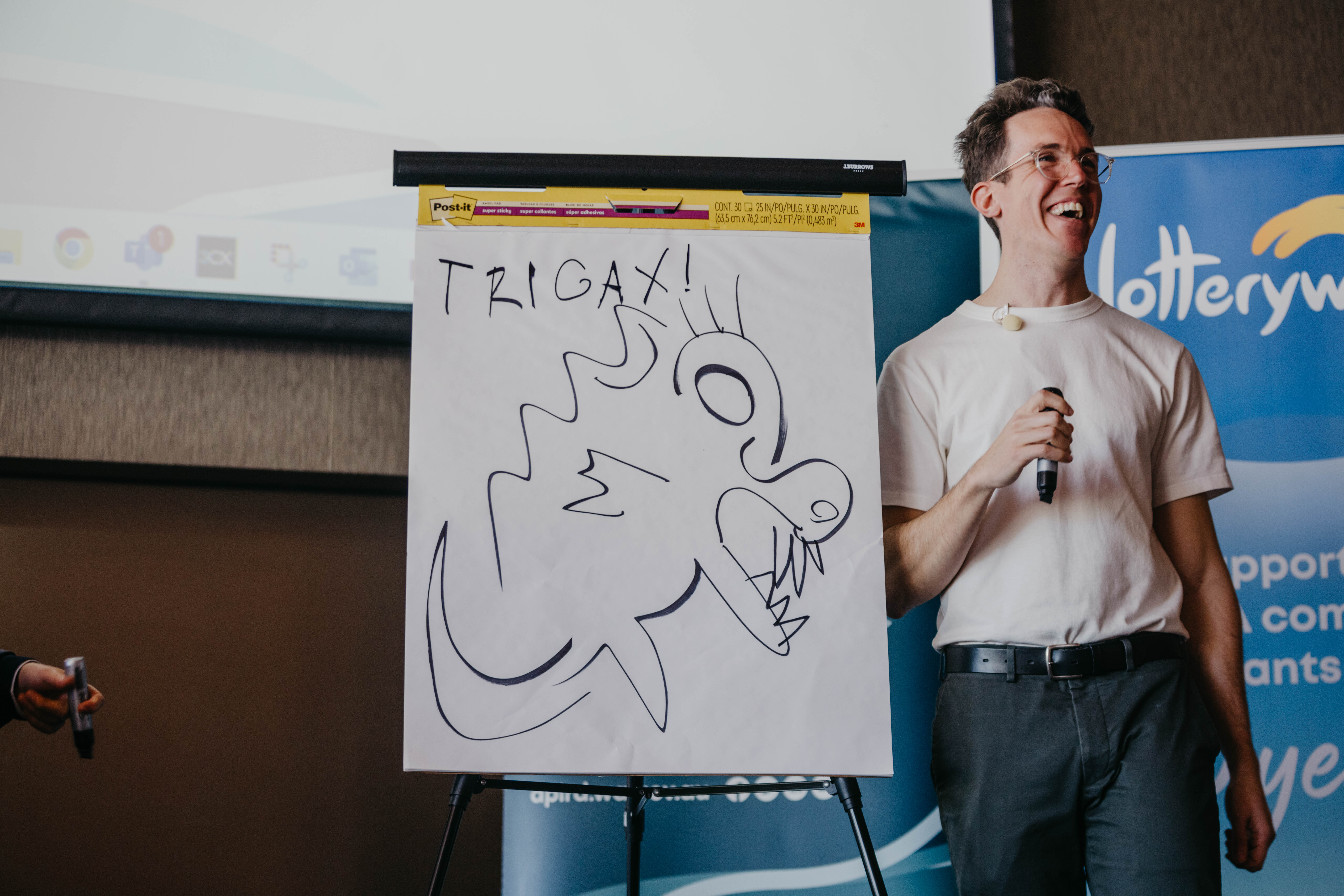
The significant way that I've put learning into practice connects to the idea of social entrepreneurship and using existing structures and institutions to make necessary changes. The Centre for Social Impact gave me the opportunity to leverage my skills and background in cognitive science and improvised theatre to build my own social enterprise, creating a career that makes a positive impact on leaders and teams.
Ultimately, it was the permission to not have a standard role or an existing career and the understanding that I could make a difference creatively while paying the bills in a way that was uniquely mine, which was the most significant impact.
What are some of the biggest professional learnings over the past years?
During the Graduate Certificate, we were introduced to the Cynefin Framework. The Cynefin Framework introduced me to the idea of complexity—the idea that there's a kind of status of reality, a kind of system where you can't establish clear causal relationships between inputs and outputs. This concept was only probably half of a lecture, but it's something I'm now seeing everywhere. I think it's increasingly becoming something that all not-for-profit leaders need to be literate in. I feel really fortunate that I was exposed to the idea quite early in my journey, and it's something that the rest of the world is now only catching up to.
How we deal with and manage complexity and uncertainty, without falling into old patterns of command and control, is the big challenge for leaders working in social impact. It impacts everything else—how we do strategy, how we measure value, and how we think about social innovation.
The other big professional learning is valuing the network that came through the Graduate Certificate. It gives you strength and clarity in times when you're unclear and provides you with people to always talk to about the big, hairy, wicked issues that we're facing as a society.
Why would you recommend the course to others?
I think this course is ideal for anyone who wants to make incremental radical change within the existing system. Incremental and radical might seem to be at odds, but they're not. Every journey of a thousand miles always begins with a single step.
You could also think of the course as being for the pragmatic idealists. It's for people who want to make change, but they're willing to start where they are with what they have and build relationships.
The attitude I'd say to take to the course is to keep an open mind, bring some real-world problems, and really invest in the relationships that you build with people there.