Kimberley’s Fight for First Nations Food Justice

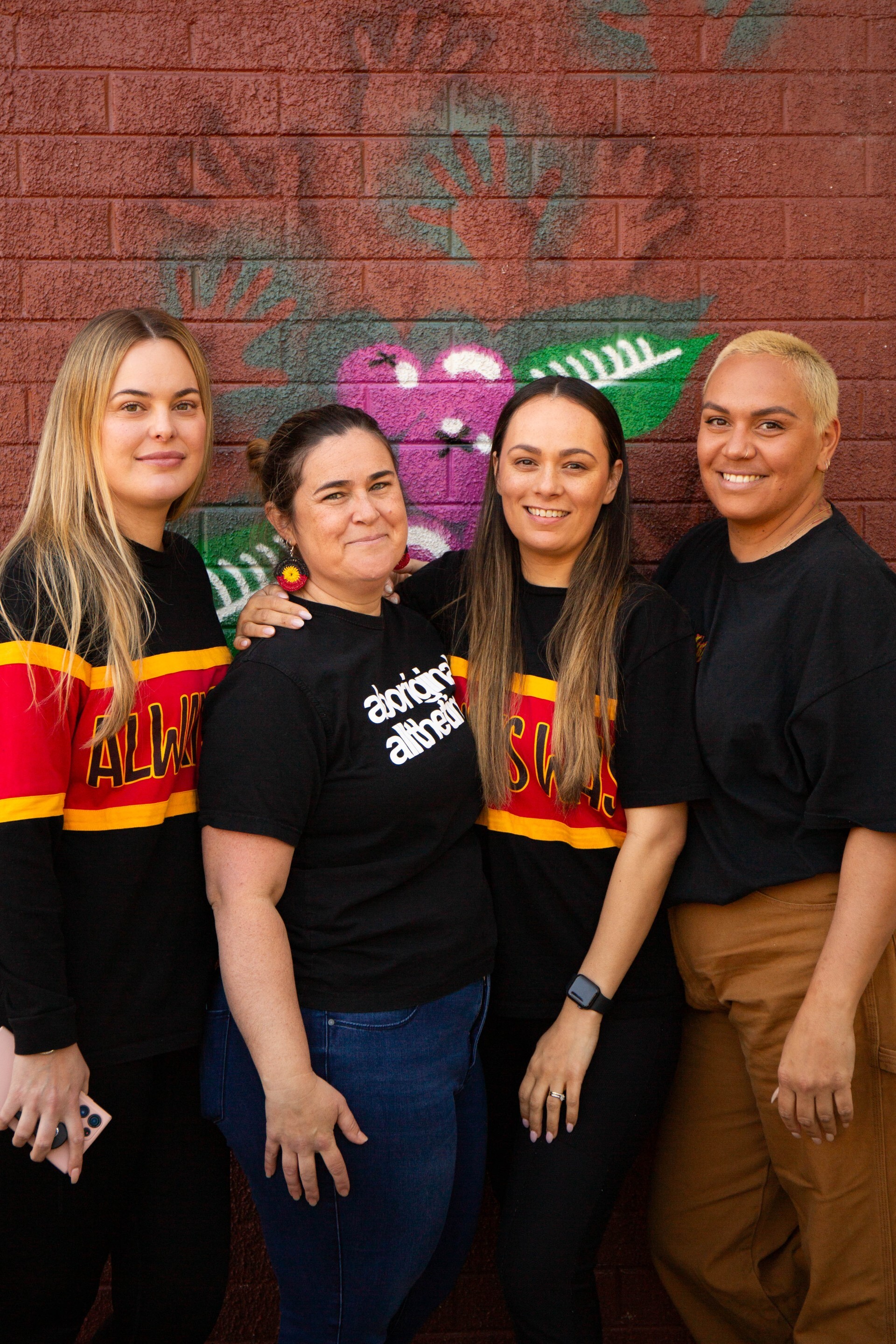
When Kimberley Peckham was growing up in Sydney, food insecurity was a reality for her family and many other First Nations families.
“As a child, we never had somewhere safe to go when there was nothing to eat. My parents would be too scared to go to a lot of the places for food vouchers because they thought we would be taken away,” she recalls.
“The system often and still does criminalise First Nations families for being poor.”
Years later, Kimberley witnessed the same cycle of hardship resurface during the COVID-19 pandemic, when many First Nations communities struggled to access food and basic essentials amid widespread uncertainty and shortages.
“There’s a huge disparity in food access for First Nations people, which became even more visible during COVID. While some were hoarding supplies, we realised many of our Elders and mob couldn’t even afford to buy food let alone buy in bulk. We don’t have money to do that.”
But what started as an emergency response quickly revealed a deeper, ongoing crisis of food insecurity amongst many First Nations people. Founders of First Nations Response, Coral Lever and Nellie Pollard-Wharton, were working tirelessly to get food to First Nations families and Elders during the lockdowns. Their dedication inspired Kimberley to get involved, focusing on how to structure First Nations Response as a charity. All three knew the work would not stop when the lockdowns ended, as the pandemic had only highlighted an issue that already existed.
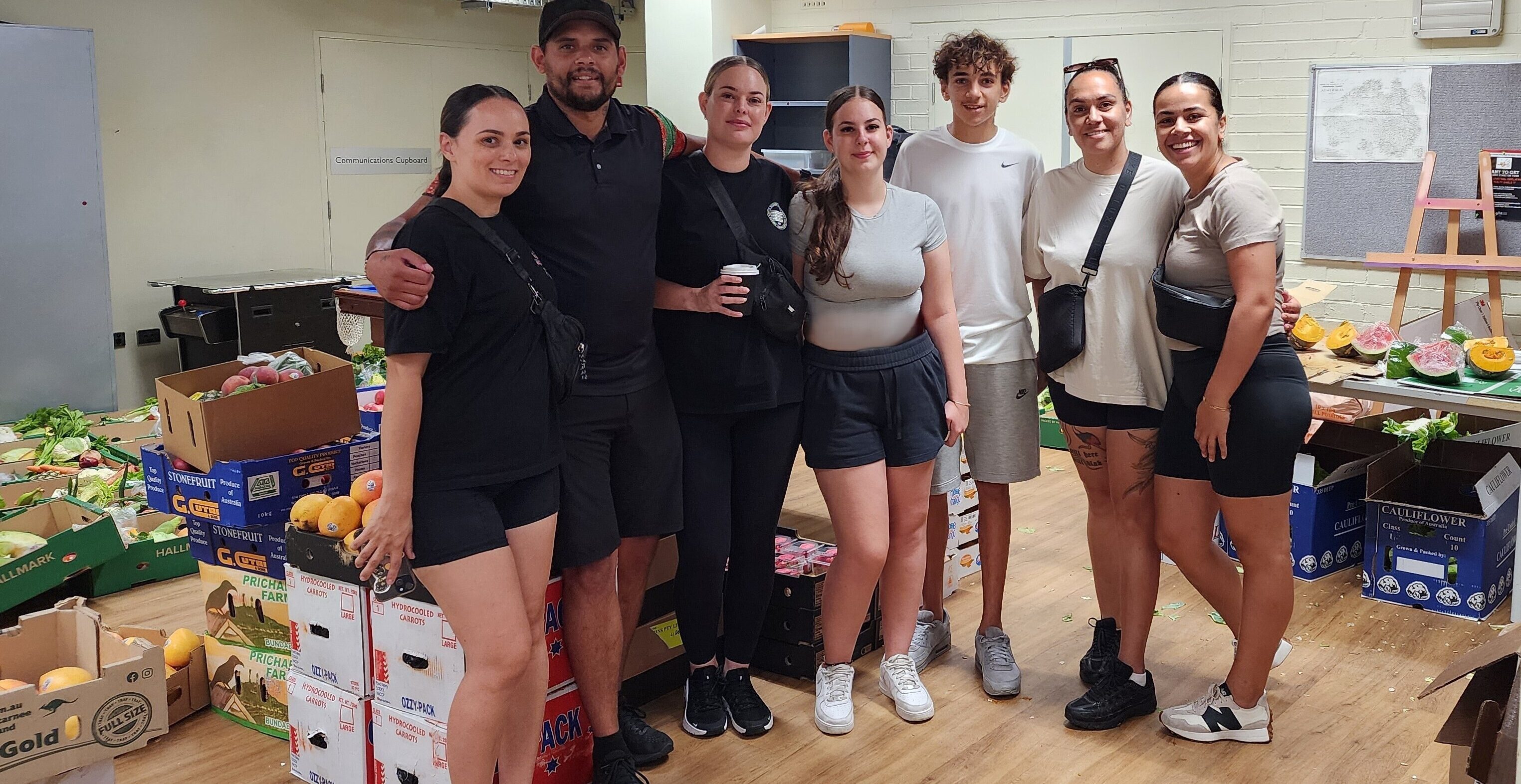
Now, First Nations Response provides food relief to more than 240 people every week at its pop-up located in Redfern Community Centre in Sydney’s Redfern, as well as home deliveries to elders and vulnerable members of the community.
“For me, it was and still is essential that this service is run by mob, with cultural respect at its core,” Kimberley explains. “As a child, I wished there was a First Nations-led food bank where people felt safe and understood.”
Turning lived experience into systemic change
Determined to create more than just a short-term fix, Kimberley set out to help build a charity with strong foundations — one that could endure, remain sustainable in the long term, and be led by First Nations people for their own communities. With no experience in starting a charity, Kimberley reached out to her colleagues at Australian law firm Gilbert + Tobin , where she had worked since 2017 and now serves as the First Nations Strategy Lead. Being part of the firm’s Pro Bono and Corporate Social Responsibility team, she had seen firsthand the significant impact they make in the community and knew it was the right place to seek guidance.
"I had no idea where to start. I didn’t even know you had to register a charity. I was so fortunate that my colleagues had the skills and experience to put me on the right path. It’s been a huge learning curve,” Kimberley explains.
That process sparked a hunger for more knowledge in the social impact space – not just to get First Nations Response off the ground, but to ensure it could be the best it could be. That determination led her to enrol in the Graduate Certificate in Social Impact at the Centre for Social Impact, UNSW , supported by the 2025 CSI Indigenous Female Scholarship.
“I’ve always been interested in First Nations business and the charity sector, but there were gaps in my knowledge, especially around governance and impact measurement,” she says.
“This course has given me the tools to integrate our cultural ways of doing things into formal structures, ensuring our organisations can endure.”
Learning, connecting and leading for social impact
For Kimberley, the postgraduate program has already gone above and beyond.
“Everything I’m learning, I can put into practice straight away – whether it’s running my charity or in my work at Gilbert + Tobin,” Kimberley says. “I’m really enjoying being able to pull in what I’m learning in the coursework and apply it to what I’m actually doing.”
“Some of the subjects really opened my eyes – especially the ones on leadership, philanthropy and measuring social impact. They gave me tools, it’s not just theory. Every topic connected back to the challenges I see in my community, and it’s changed the way I think about strategy and decision-making,” she says.
“I’ve met other First Nations students and professionals who inspire me every day.”
Kimberley also hopes more First Nations voices join the conversation. “We’ve often been excluded from decision-making, particularly our women. The more mob we have in these spaces, the more we can shape solutions that actually work for our communities.”
Food insecurity: a hidden crisis in Australia
Kimberley says many Australians don’t realise how widespread food insecurity is.
“People think it’s a problem in developing countries, but right here in Sydney, working families are skipping meals. Inflation has only made it worse. Food is essential, you can’t thrive without it. Yet it’s often the first thing people cut when money is tight.”
“When kids go to school without food, in turn, they're going to sit there and they’re not going to concentrate. They're not going to be able to comprehend what's happening in class. Then they get in trouble. And then it becomes a cycle,” Kimberley explains.
Through First Nations Response, the team is not only meeting immediate needs but also challenging the systems that perpetuate poverty. “First Nations communities know what works for us. We just need the autonomy and resources to make it happen.”
Her advice for future social impact students
“Don’t underestimate yourself. If you’re passionate about creating change, this course can give you the skills, network, and confidence to do it. I never imagined I’d be here helping run a charity, working in corporate social impact, and studying. I’m the first in my family to go to university. If I can do it, you can too.”