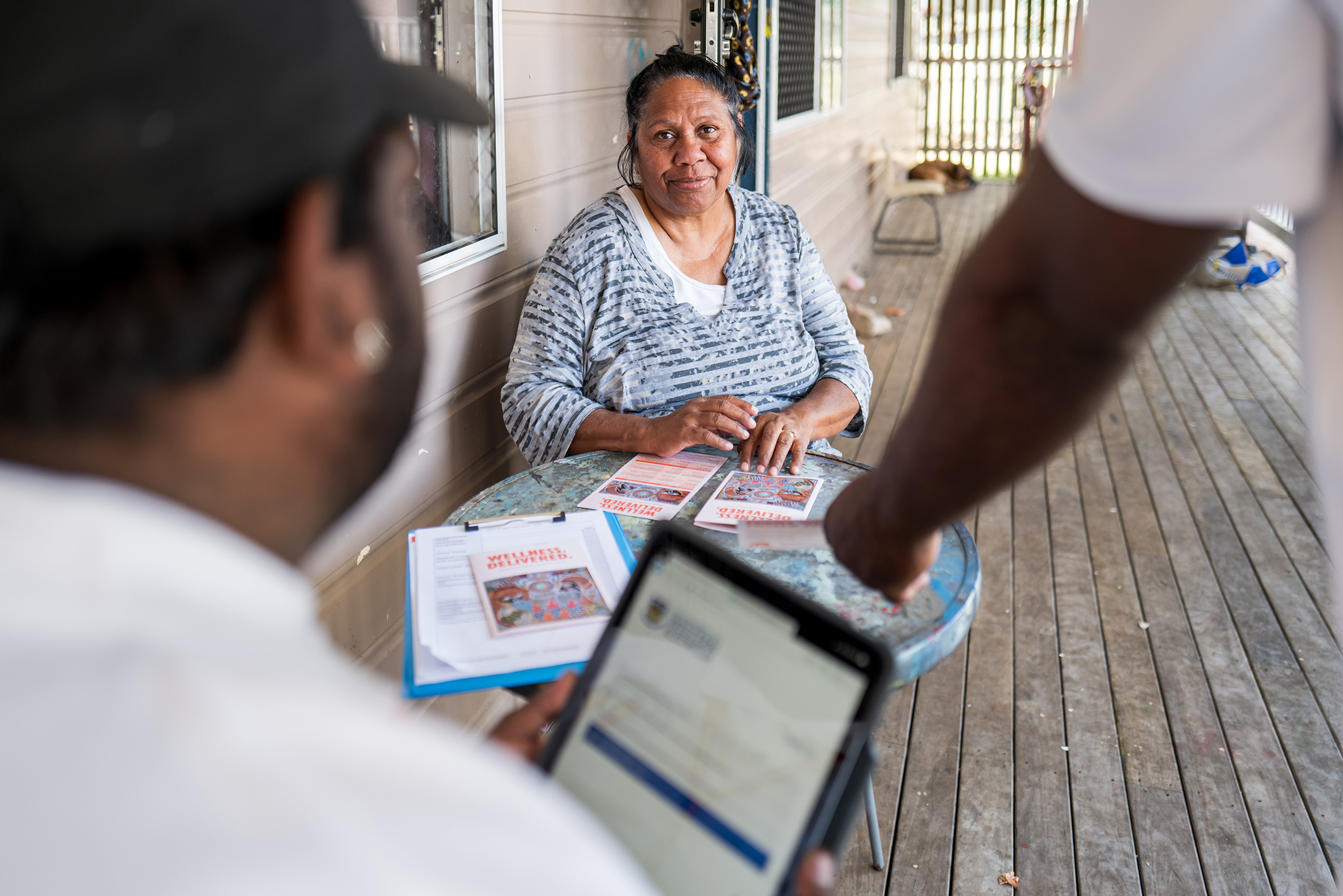
Door-to-Door for Mental Health: A project with Assisting Communities through Direct Connection (ACDC)

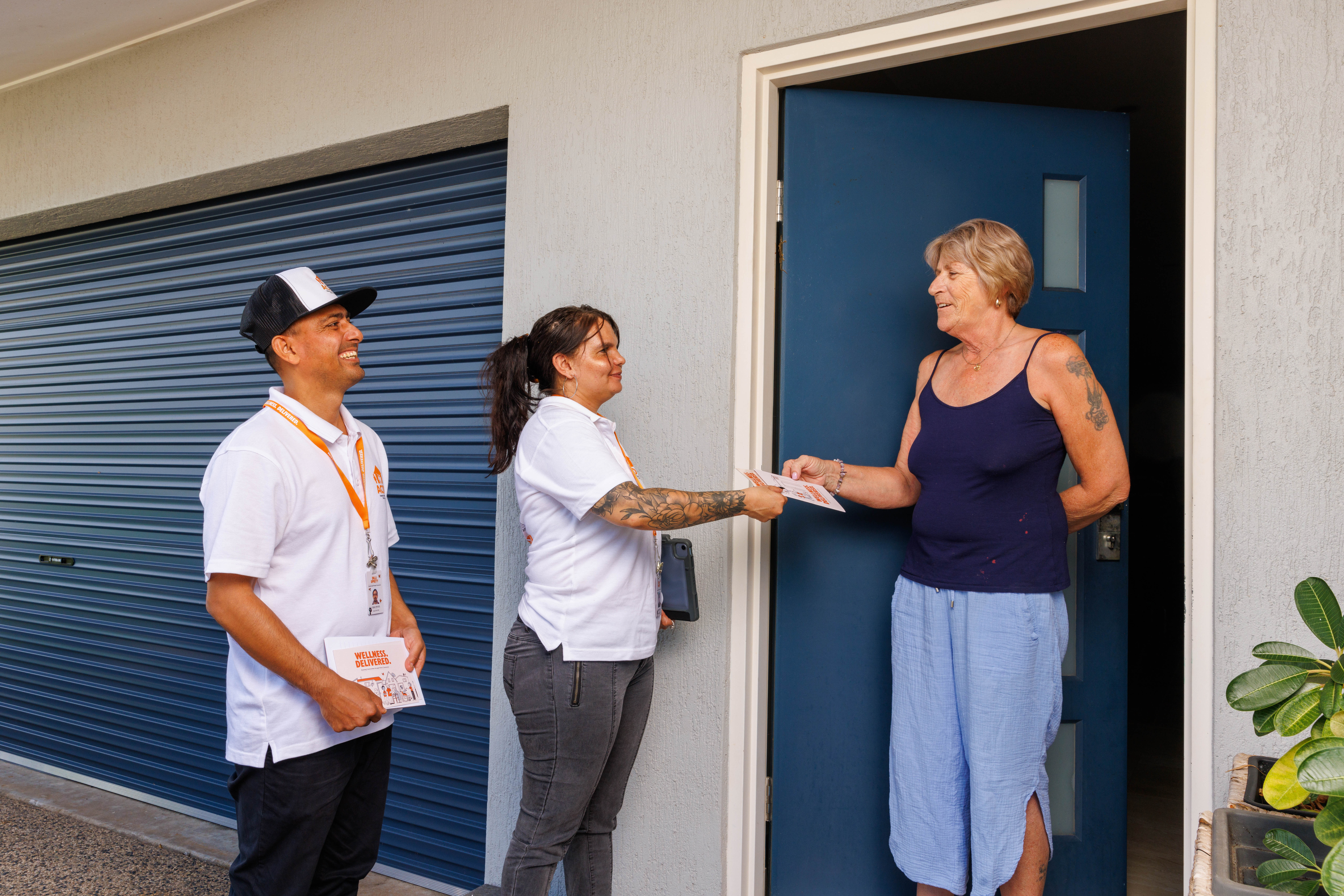
Community Mental Health Australia article on Financial Distress and Mental Health
The act of knocking on a door to check in on the household is not new. As a show of care, this has presumably worked to keep people well and connected to natural supports throughout history and across diverse cultures. In 2021 and 2022, the ACDC (Assisting Communities through Direct Connection) Project turned this simple idea into a large-scale program adapted to the contemporary Australian context and implemented across multiple community settings.
Teams of two or three people – referred to as ‘People Connectors’ – knocked on over 37,000 doors in 21 communities around Australia to ask Householders about their wellbeing. They had conversations about mental health and social and emotional wellbeing, collected data through a survey, responded to any needs that arose, and provided information and assistance by suggesting support options or linking people to services. In every community a Delivery Partner Organisation was engaged to deliver the project in their community.
Read the Australian first study
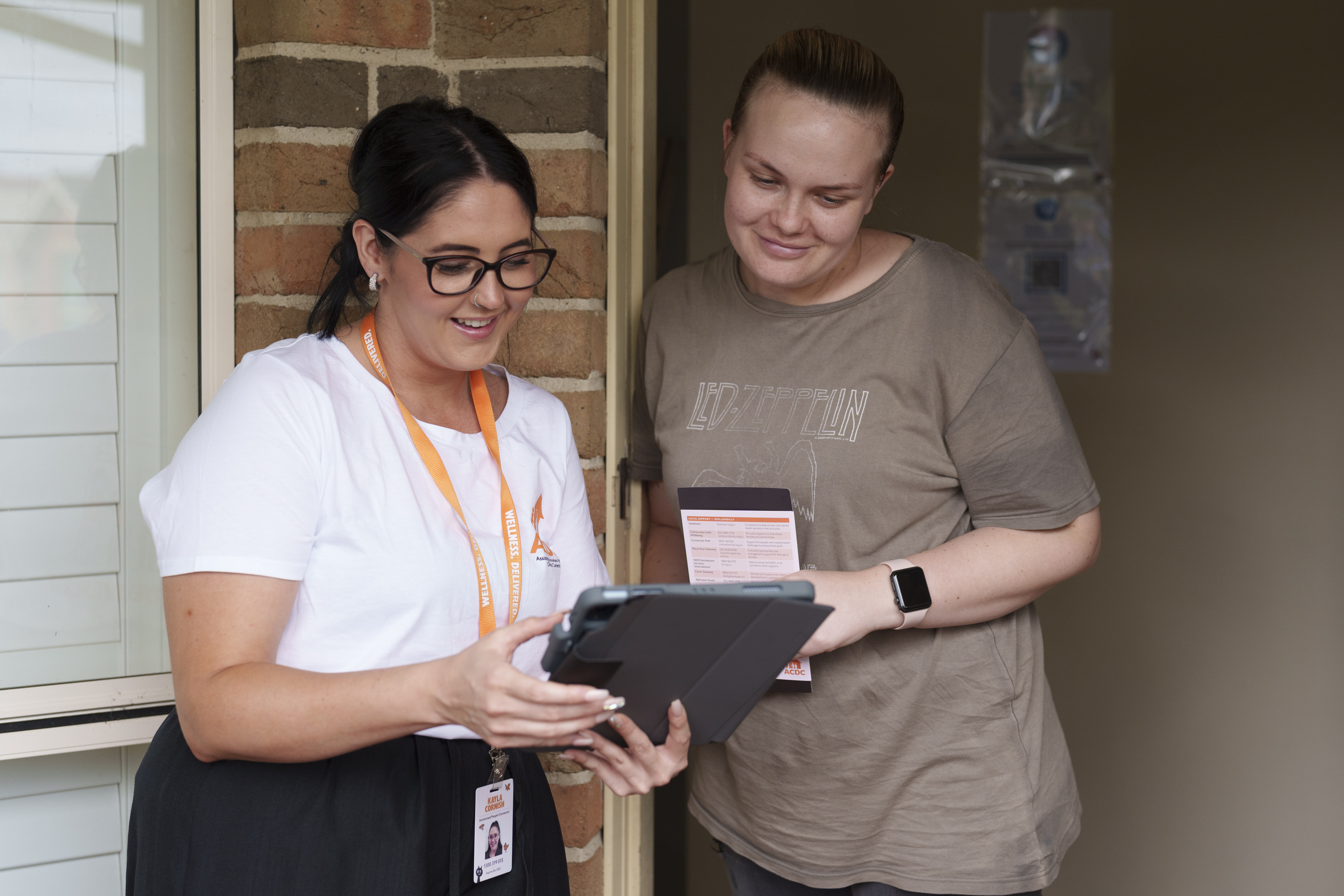
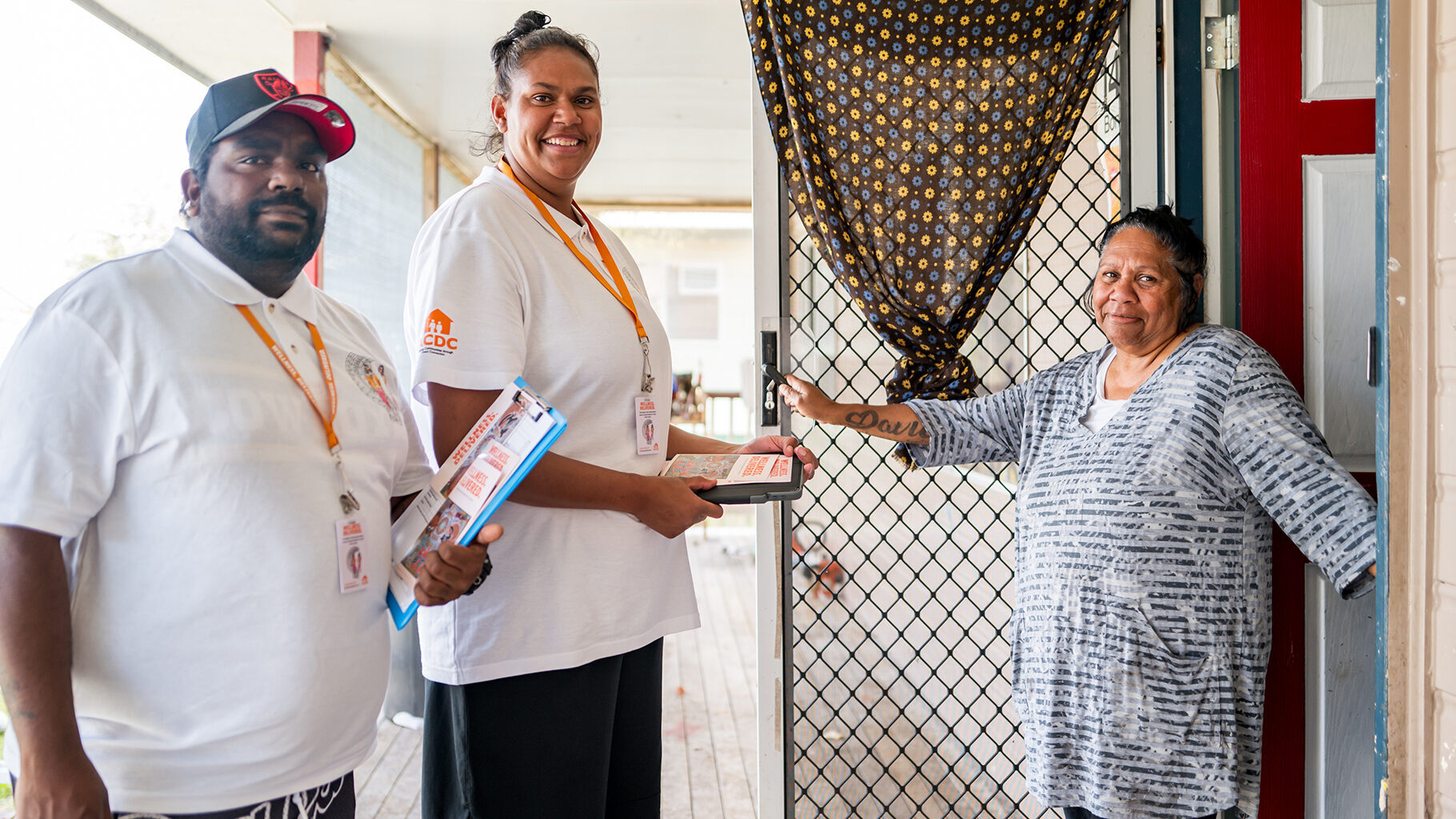
Enhancing Aboriginal Community Engagement through Structural Change
A new report by the Centre for Social Impact UWA and Each , released in partnership with Community Mental Health Australia (CMHA) , explores how tailored, community-led approaches can significantly improve engagement with Aboriginal communities.
The research focuses on a doorknocking initiative in Cherbourg, Queensland—part of the national Assisting Communities through Direct Connection (ACDC) project. Unlike other sites, the approach in Cherbourg initially faced challenges due to a mismatch between standard project methods and local community needs.
Working with Aboriginal Community Connectors and guided by cultural protocols, the project was redesigned to prioritise relationship-building and community-led engagement. Informal events such as barbecues and footy games replaced the original door-to-door model, allowing for more culturally safe and meaningful conversations about social and emotional wellbeing.
The project demonstrates that structural change—including flexible funding models and community-led design—is essential for culturally safe service delivery. It provides a roadmap for governments and service providers to rethink how they partner with Aboriginal and Torres Strait Islander communities, placing trust, local leadership and deep listening at the centre.
DOWNLOAD REPORT